
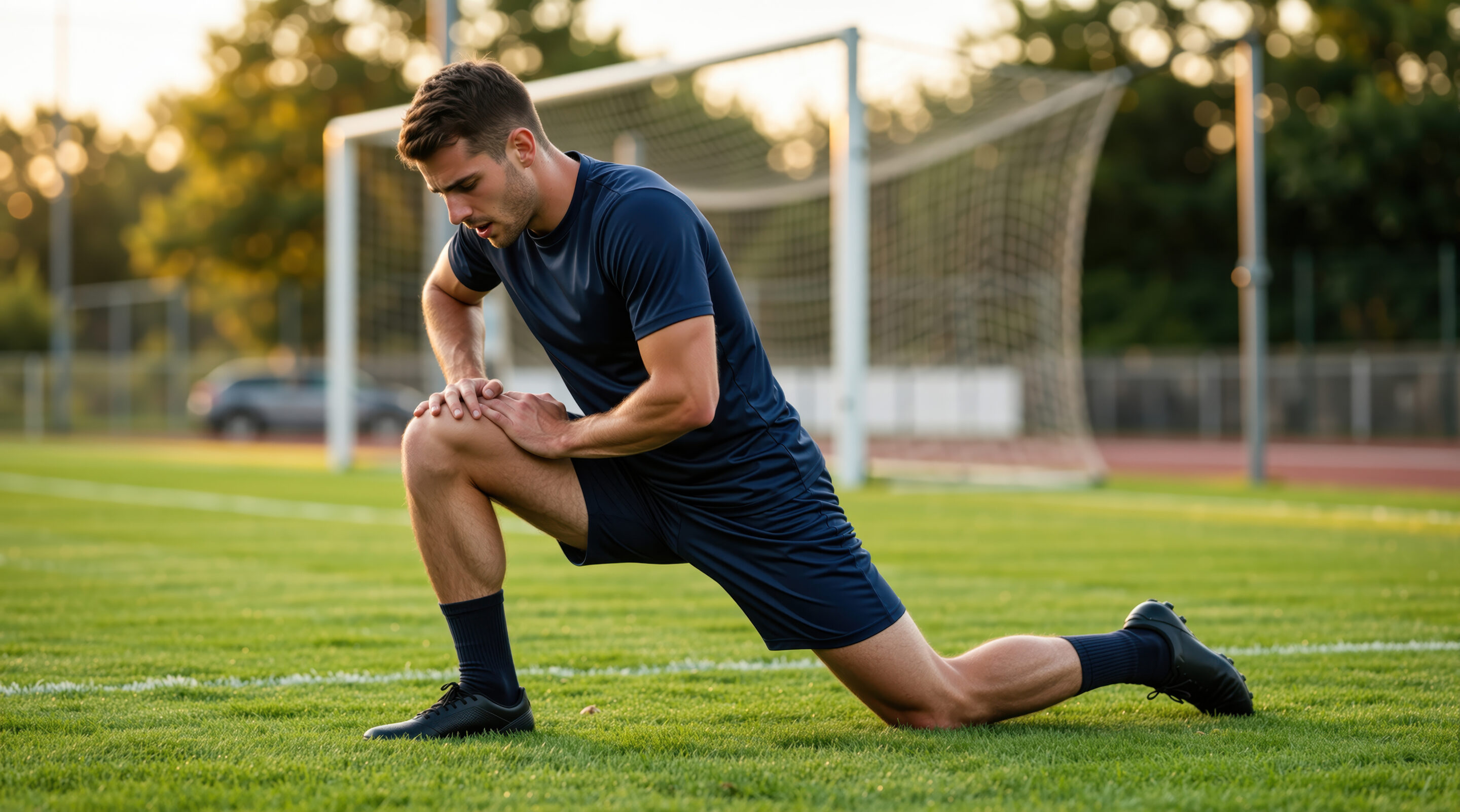
You’ve seen it before, a player takes a hard hit in the 60th minute, limps off the pitch, and somehow jogs back on ten minutes later. Or a team plays three matches in nine days and barely looks winded. That’s not luck. It’s a recovery system built around sports science, and most of it translates directly to everyday athletes right here in the Lowcountry.
You don’t need a team physio or a cryo tank. You need to understand what elite players actually prioritize, and start doing more of it yourself.
They Treat the 24 Hours After Play as Part of Training
At the World Cup level, recovery starts the moment the final whistle blows. Elite programs treat the 24–48 hours after a match with the same intentionality as the match itself. That means active cooldowns instead of collapsing on the couch, prioritizing protein and hydration within the first hour of finishing, and treating sleep as a non-negotiable, not a bonus.
For recreational players, the post-game routine is usually the first thing cut. It shouldn’t be. Muscle repair and tissue recovery happen after you stop playing. What you do in that window has a real impact on how you feel, and how you hold up, the next time out.
They Build Load Gradually
World Cup rosters are managed with careful attention to training load. Coaches and physios monitor minutes played and physical output to make sure players aren’t pushed into the zone where fatigue and injury risk spike.
It’s easy for recreational players to go the other direction — a slow spring followed by a summer league with back-to-back weekend games. That rapid ramp-up is one of the most common patterns our sports medicine team sees behind hamstring strains and knee pain every June and July. The general rule most sports medicine providers follow: increase your activity level by no more than about 10% per week, and build rest days in on purpose rather than waiting until something hurts.
They Don’t Play Through Joint Instability
One thing you will never see at the World Cup is a player staying on a knee that gives way or an ankle that won’t settle. Elite athletes get evaluated immediately, not because they’re fragile, but because they understand that playing through certain symptoms can turn a two-week recovery into a two-month one.
Swelling that doesn’t go down. A joint that feels loose. Pain that changes how you move. These are signals worth paying attention to. Getting evaluated early is one of the most effective things a recreational player can do to protect a full summer of play.
They Strengthen What Soccer Actually Demands
Pro players invest significant time between matches building strength in the muscle groups soccer stresses most, hip stabilizers, the glutes, the hamstrings trained to brake and decelerate, and the ankle and balance work that keeps joints stable on uneven ground. These aren’t flashy exercises. They’re the foundation that lets elite players absorb 90 minutes of physical play and come back three days later.
If your training is mostly just playing soccer, adding two targeted lower-body strength sessions a week can make a real difference in how your body holds up over a long summer.
When to Stop Playing and Get Evaluated
Even with the best habits, injuries happen. The difference between a minor setback and a long layoff usually comes down to how quickly you act. Come in right away if you experience:
- A pop, snap, or crack at the moment of injury
- Swelling that doesn’t improve within 24–48 hours
- A knee or ankle that feels loose or gives way
- Pain that forces you to change how you walk or run
Game-Changing Care, Right Here in the Lowcountry
At Lowcountry Orthopaedics & Sports Medicine, our sports medicine team works with athletes at every level, from competitive club players to weekend warriors who just caught World Cup fever. Same-day appointments and Ortho After Hours mean you get seen when something happens, not weeks later. Schedule today and play the rest of the summer on your terms.