
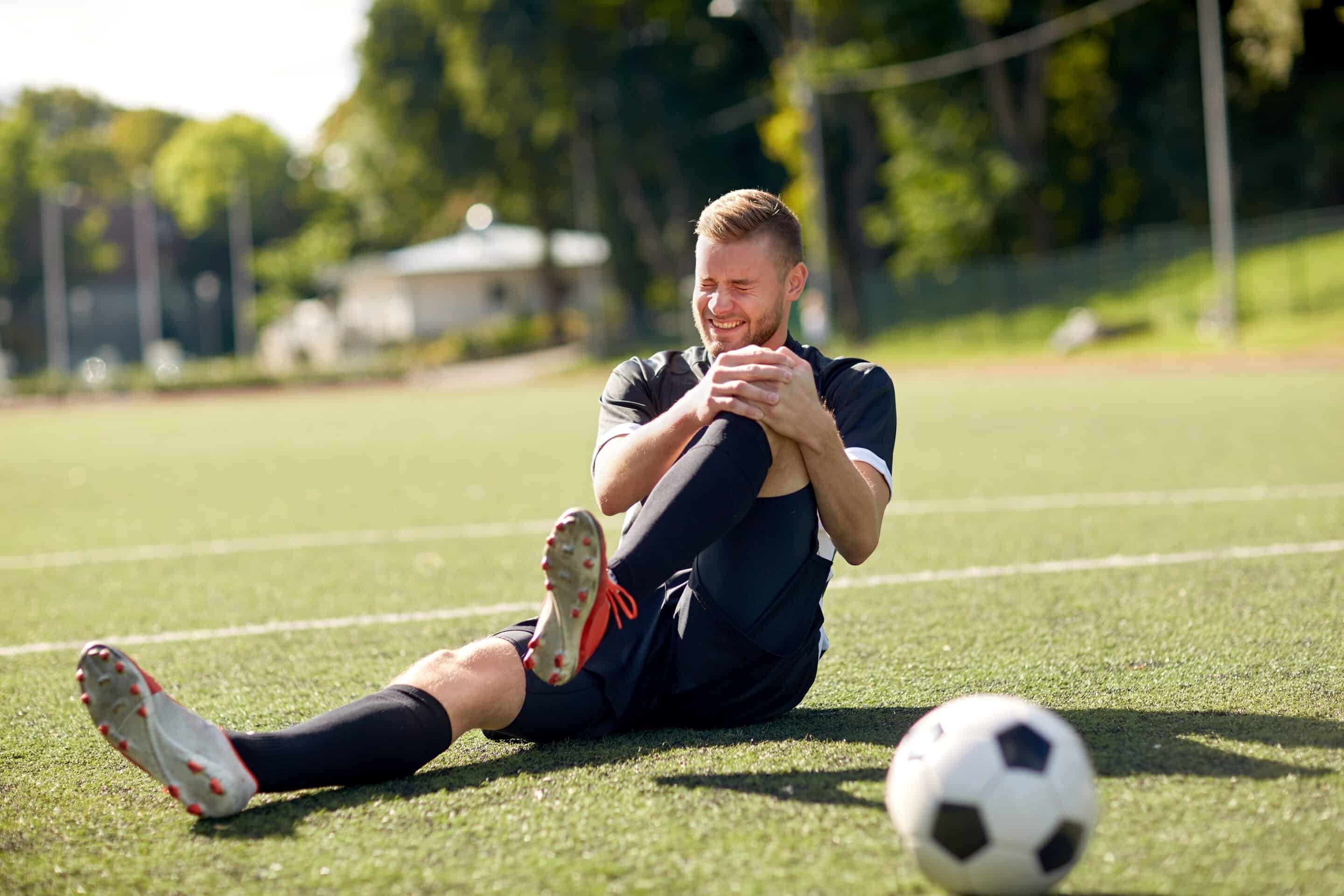
Soccer season brings out the best in athletes of all ages, from weekend rec league players to competitive travel teams chasing a championship. But with all that speed, cutting, and contact comes real injury risk. At Lowcountry Orthopaedics and Sports Medicine, we see soccer-related injuries every season, and the good news is that many of them are preventable. Here is what you need to know to stay on the field all season long.
The Injuries We See Most
Soccer puts serious demands on the lower body. The most common injuries our patients come in with include:
- Ankle sprains: The most frequent soccer injury, often caused by sudden direction changes or landing awkwardly
- Knee injuries: Including ACL tears, which are especially common in female players due to anatomy and strength differences
- Hamstring and groin strains: Often the result of sprinting without a proper warm-up
- Shin splints: An overuse injury that builds gradually from repetitive stress on the lower leg
- Concussions: A serious risk in any contact sport, including from heading the ball or player collisions
How to Protect Yourself Before You Ever Step on the Field
The best injury prevention happens before the game starts. A proper warm-up is not optional. Spend at least 20 to 30 minutes before practice or a match warming up your legs, hips, hamstrings, and Achilles tendons. The FIFA 11+ warm-up program was designed specifically for soccer players and has been shown to meaningfully reduce injury rates in players 14 and older.
Beyond the warm-up, these habits make a real difference:
- Wear properly fitted shin guards every single time you play
- Stay hydrated throughout practice and games, not just at halftime
- Build strength in your hips, glutes, and core to support your knees and ankles
- Do not skip rest days, overuse injuries are built up quietly over time
- Get a sports physical before the season begins, especially for younger athletes
Know When to Come In
Playing through pain is never a badge of honor. If you have swelling that does not go down, pain that changes how you move, or a joint that feels unstable, that is your body telling you
something is wrong. Getting evaluated early means a faster and more complete recovery. Waiting often turns a minor issue into a much longer setback.
You work too hard on your game to let a preventable injury take you out. At Lowcountry Orthopaedics and Sports Medicine, our sports medicine team understands what it takes to keep athletes healthy and moving at their best. Contact us today to schedule an appointment and get the support your body needs this season.