
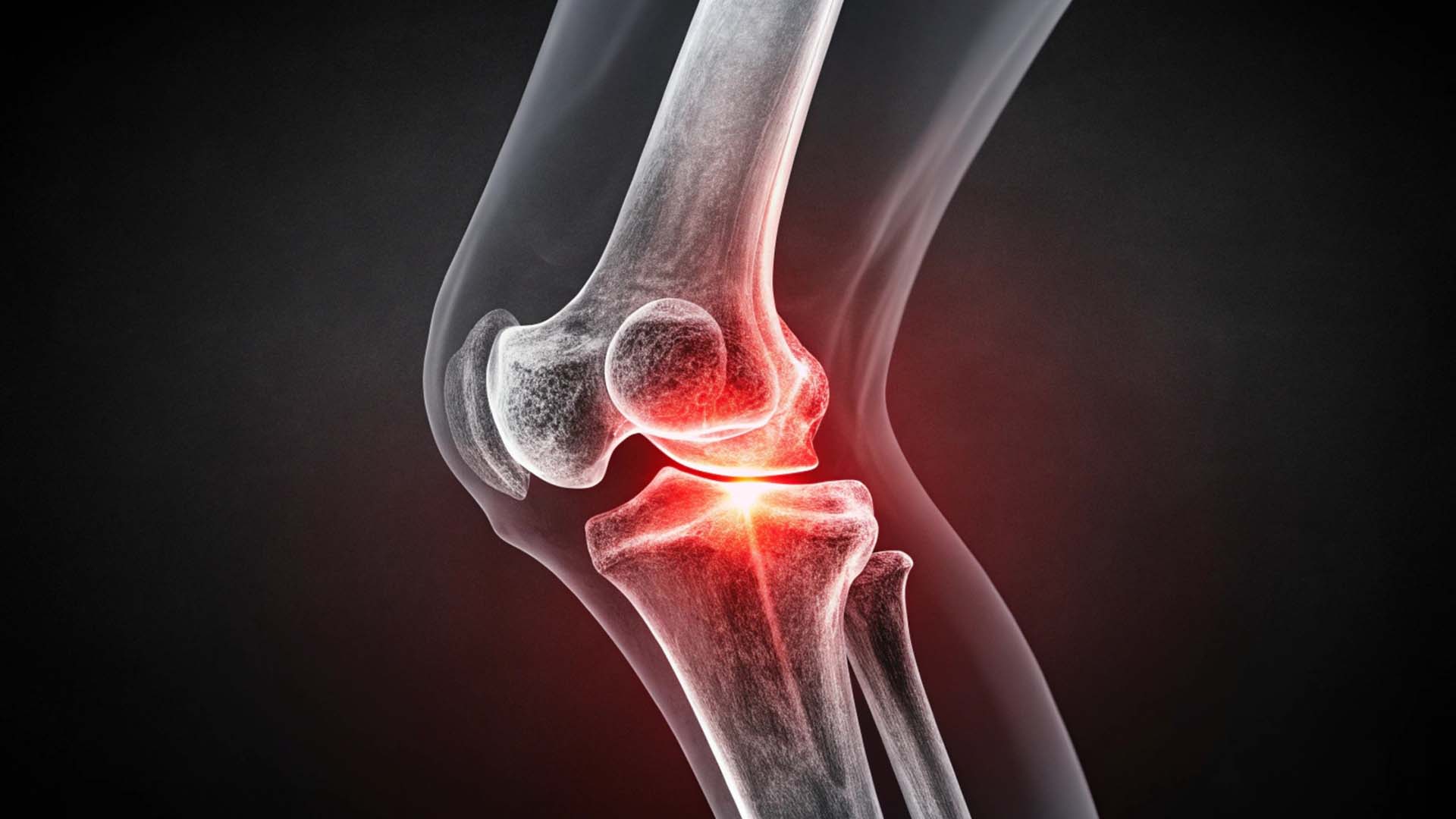
As the new year begins, many people in Charleston return to exercise, outdoor activities, and daily routines that may have slowed during the holidays. Some discomfort is normal as the body readjusts, but not all joint pain should be brushed off. Understanding whether pain is coming from normal soreness, arthritis, or an injury can help you decide when rest is enough and when it’s time to see an orthopaedic specialist.
Understanding the Difference Between Soreness, Arthritis, and Injury
Normal soreness is usually the body’s response to new or increased activity. It often feels like stiffness or a dull ache in the muscles and joints and tends to show up a day or two after activity. This type of discomfort improves with light movement, stretching, and a short period of rest.
Importantly, soreness should steadily improve, not worsen, as the days go on.
Arthritis-related joint pain behaves differently. It tends to develop gradually and is often described as a deeper, more persistent ache within the joint itself. Many people notice stiffness in the morning or after sitting for long periods, with some relief once they begin moving. While arthritis doesn’t resolve on its own, early evaluation and treatment can reduce inflammation, slow progression, and help preserve mobility.
Injury-related pain is typically more abrupt and should never be ignored. This pain may be sharp, intense, or localized to a specific area and is often accompanied by swelling, instability, or a sensation of catching or locking in the joint. Unlike soreness, injury-related pain does not improve with time or rest and may worsen as you try to stay active.
When Rest Is Enough and When It Isn’t
Rest can be helpful when pain is mild, clearly linked to recent activity, and improving within a few days. Short-term rest paired with gentle movement often allows soreness to resolve naturally.
However, rest alone is not the answer if pain lingers beyond a week, interferes with daily activities or sleep, or keeps returning in the same joint. Swelling, stiffness, weakness, or a feeling that the joint may give out are all signs that it’s time to be evaluated by an orthopaedic specialist.
When Joint Pain Should Not Be Ignored
Joint pain should be taken seriously when it begins to limit your ability to move comfortably or confidently. Pain that worsens instead of improves, restricts range of motion, or causes you to compensate by changing how you walk or move can lead to additional problems in the hips, knees, or spine. Ignoring these symptoms can turn a manageable condition into a more complex issue.
At Lowcountry Orthopaedics, we believe that early evaluation leads to better outcomes. Our goal is to identify the source of your joint pain and guide you toward the most effective treatment, whether that means activity modification, therapy, or advanced care.
If joint pain is holding you back this year, it may be time to listen to what your body is telling you. Addressing it early can help you stay active, mobile, and moving comfortably throughout the year ahead.